

I love the fall.
I love the colors, the chilly mornings, layering clothes for morning to warm afternoons. When I think of fall, I think of Halloween which leads me to being a teenager and having my cousin pick up myself and a friend one night. The boys took us to a cemetery, hoping to scare us. It did, but I loved it!
A few years back when on a trip back East, I took my other half to seven cemeteries. He wasn’t sure about this at first and thought it was a little creepy. However, after the first two he embraced the idea of visiting them and really enjoyed what he learned from them.
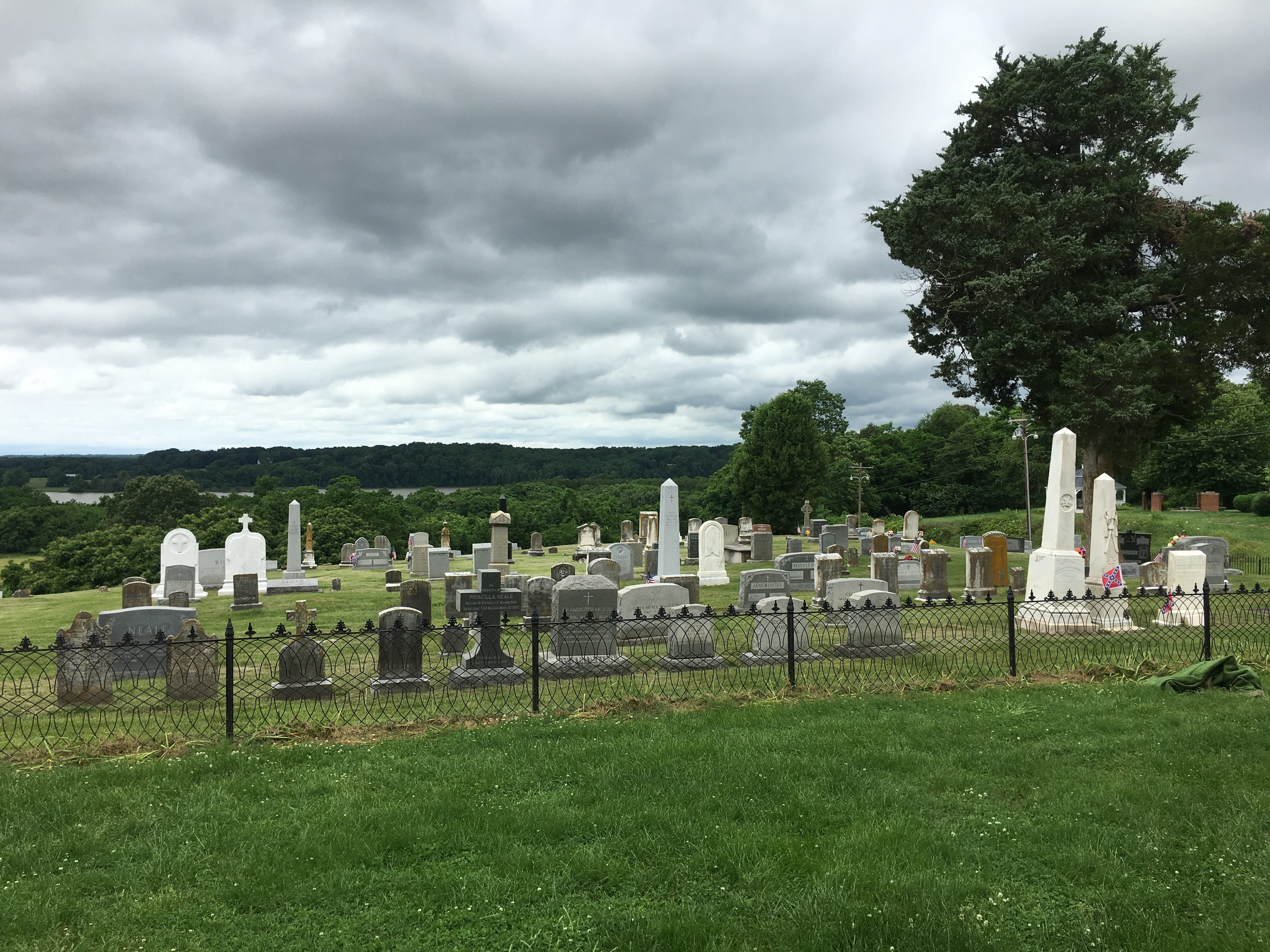
A cemetery can be an extraordinarily rich genealogical source, but as with any evidence it must be evaluated critically. Here are the main categories of information you can learn about an ancestor (or anyone else) from a cemetery:
The Basics:
1. Vital Information
Names: Often the full name, sometimes with middle initials or maiden names.
Dates: Birth and death dates, occasionally marriage dates.
Dates can be off either due to memory errors by survivors or later stone replacements. Always correlate the information with civil/church records if available.
Ages: Some older stones list age at death in years, months, and days, which can be used to calculate birthdates.
2. Family Relationships
Spouse or Parent Links: Phrases like “wife of …” or “son of …”.
Grouping: Family plots often reveal kinship networks, especially when interments are clustered. The cemetery office may have information on family plots and who is buried there even when there is no grave marker.
Married vs. Maiden Names: Women’s stones sometimes preserve maiden names, crucial for linking generations.
Dive deeper:
3. Cultural, Social, and Religious Clues
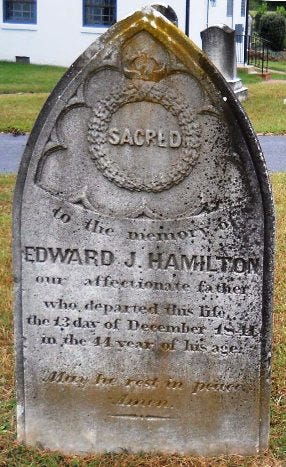
Symbols: Crosses, Masonic emblems, military insignia, or religious motifs point to beliefs, affiliations, or service.
Epitaphs: May highlight character, cause of death, or community role.
Language: Inscriptions in German, Italian, Latin, etc., can reveal ethnic identity or immigration background.
Here is a Youtube video by the Wandering Woodsman visiting a cemetery in Pennsylvania. He discusses grave marker symbols
I could write an entire article on symbols used on grave markers. You may very well see a symbol you don’t recognize. Take a photo and then put into google search to find out its meaning.
4. Community & Migration
Geography: Where someone was buried tells you about residence, migration patterns, or community ties.
Neighbors: Nearby burials can suggest extended kinship, business partners, or church membership.
5. Economic Status
Stone Material & Size: Elaborate monuments may reflect wealth; plain markers or unmarked graves may point to hardship.
Cemetery Choice: Private/family plots vs. churchyards vs. municipal cemeteries often reflected status, faith, or means.
6. Additional Records
Cemeteries themselves often hold more than the stones:
Burial Registers / Sexton Records: May list place of birth, last residence, next of kin, cause of death.
Plot Purchase Records: Reveal who bought the plot—often the person handling affairs (executor, spouse, child).
Maps & Lot Books: Show ownership and burial sequences, clarifying relationships when stones are missing.
In a cemetery outside of Georgetown the cemetery office manager was kind enough to let me take photos of the paperwork of my family member’s plot. It was extremely helpful considering there were family members buried in the plot without a grave marker. That year I had a stone made for my grandfather’s resting place. He died in 1955, and no stone had been placed there. In creating the stone, I had engraved “loving husband of _______ and father to ________ “ in addition to his name and birth and death date. As a genealogist I wanted to ensure that there was family connection information since my mom, uncle and grandmother had later moved out of the area.
7. Historical Context
Epidemics, wars, or disasters can sometimes be traced through clusters of burials in the same period.
Military markers may connect to pension files or service records.
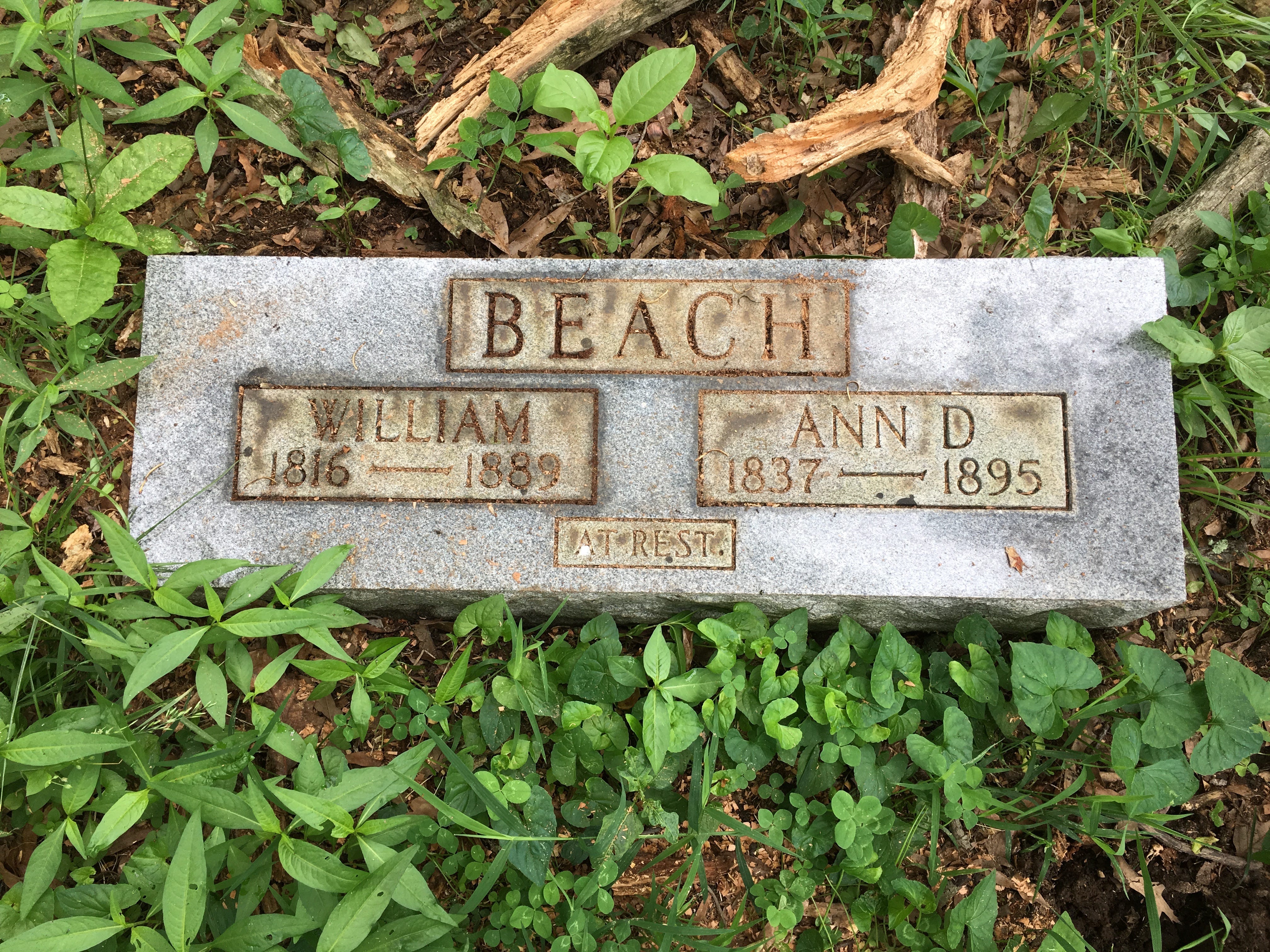
My 3rd great grandfather and grandmother are buried at the back of a family home in Stafford County VA under a cluster of trees. While they died in 1889 and 1895 respectively, their grave markers were created much later. There are other family members with just field stones around them and some hand engravings, but this county took a long time to recover from the civil war and as a result people didn’t have the money to place grave markers that were professionally produced.
Have you checked out some of my previous posts?

When Research Takes You Down Rabbit Holes...

It’s an evening in front of the tv, your partner is watching another basketball game. Time to break open the computer and do some research. Do you just wing it? Google the question and see what’s out there? Or take the time to create a research log for that burning question? Even if the question seems simple you may find yourself going down the rabbit h…