

Let’s dive into probate records which may reveal more than what is written in a Will.
Historically Wills contain a cornucopia of information and often include the names of the spouse and children, but that isn’t always the case. There are reasons why heirs may have been excluded. Here are common reasons:
1. Adult children may be left out if they already have received their portion of the estate while the parent was alive. I have seen records state “my other children have already received . . . without directly naming the children.

2. The eldest sons who were bought land or given a business early on may also be left out of the Will but may also become the executors of the Will.
3. Another reason may be the early death of a child. If the child was married with children at the time, the spouse of the deceased or children may inherit a portion of the estate.
4. An adult child may have moved a long distance from their parent, or they may have become estranged from them.
Correlating the Will with probate records may reveal much more than a Will alone. If you don’t find a Probate record in Family Search it may be time to dig into local courthouses, historical society’s, University Libraries and State Archives.
Probate records filed with the courts may contain the following:
Codicils and Petitions - Codicil’s are changes made to a Will which can reflect a variety of situations. If an adult child had died before the parent, the parent may wish to change the distribution of their estate to include their grandchildren or spouse. There are certainly other changes someone may choose to make.
Guardianship papers - A court appointed guardian was provided for minor children of a deceased father but with a living mother. Sometimes even if the father was living a guardian was appointed. The guardian could be a relative or a neighbor. The term “Orphan” in historic records referred to a deceased father but the mother may still have been living at the time. Guardianship papers were tied to separate property or inheritance rather than physical custody of the minor child. These papers may include an annual accounting by the guardian which show the money spent for the support of the child.
Estate Distributions and Receipts - These records may name heirs who weren’t listed in the Will, including married daughters and those who received a share of the estate later. When the estate is divided evenly, that is a clue that those named are most likely all children of the deceased.
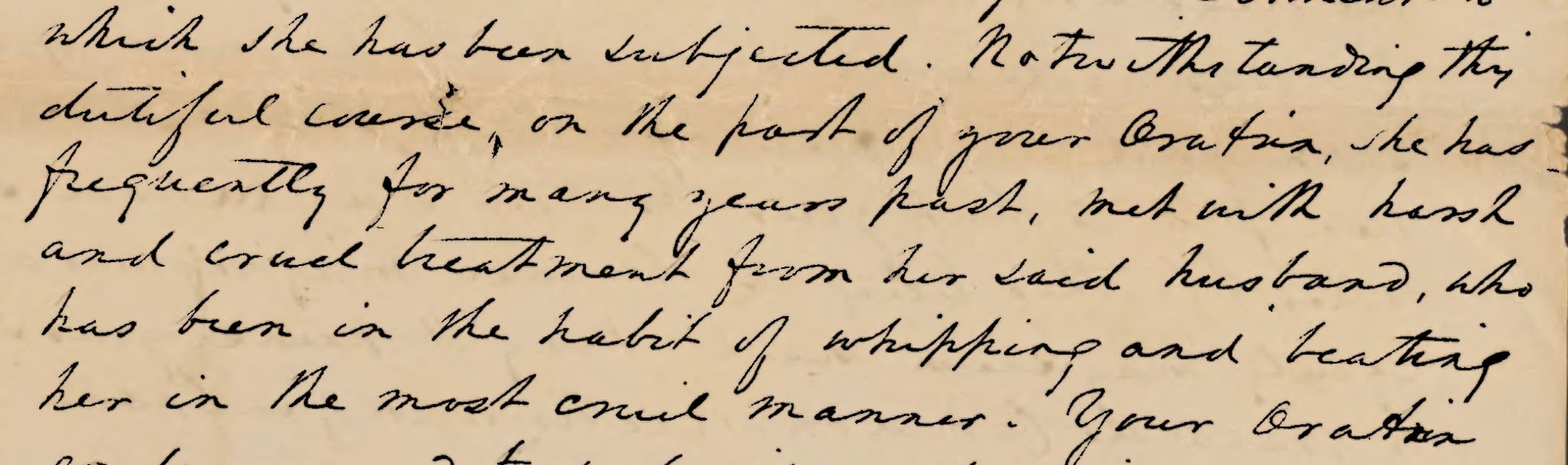
Secrets and Family Drama Disputes – Records of dispute may be found in probate records and in Chancery records. Chancery records can be found in state archives, county courthouses, the National Archives, and in specialized index projects like Virginia which has a website of digitized chancery records where you can search for records by name and county of those involved. https://www.lva.virginia.gov/collections/chancery. Chancery suits had to legally name everyone who had a claim to the estate and may provide much more detail. Disputes in records offer word for word interviews by all those involved including neighbors and doctors. Testimony is often given about the mental state of the deceased. Were they of “sound mind,” or did they have a severe illness or suffer from alcoholism?
Bondsmen, appraisers, and witnesses: The people named in these records may have been relatives, friends, or neighbors. Their names can help identify a family’s social circle and a more detailed location where they lived. Make sure you corroborate the information and not make assumptions.
Debts and account books: These books highlight creditors and may reveal business ties, neighbors or family connections. They also include receipts showing if an heir received their portion of the estate after the death of the Testator.
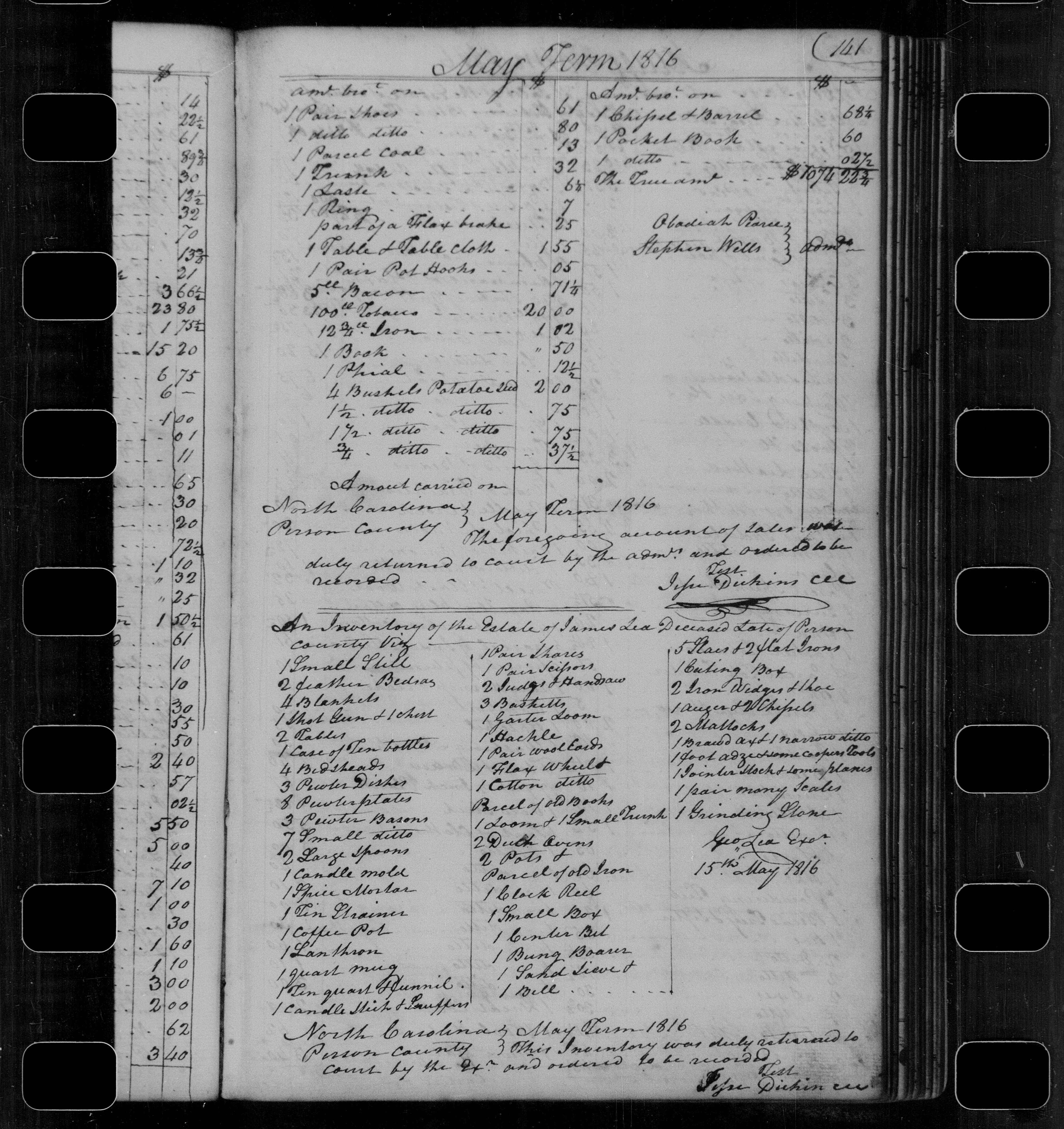
Inventories and appraisals: These records contain a listing of a deceased persons personal property such as tools, books, paintings, and livestock. If this record is prior to 1865 you may see a listing of first named enslaved persons as well with their family grouping, gender and possibly their physical description. Unfortunately, this also where you will find the valuation that was attached to them.
Have you found any interesting information in a Will or probate record? I would love to hear about it!