

Did you know the National Park Service has one of the largest collections of cultural objects, natural history objects and archives spread across hundreds of national parks and centers throughout the United States? The NPS History Collection is primarily housed at the Harpers Ferry Center which holds 3.5 million documents and objects. You can search thousands of digital records online or you can schedule an in-person appointment at repository sites of the NPS like the Harpers Ferry Center. In addition to the archival objects and documents, teachers can find, lesson plan templates and instructions on the website.
[An example of historical object restoration at the Harpers Ferry Center of the National Parks Service]
In my three-part series on making that call, not only did I guide you in overcoming your fear of contacting repositories, I also gave you a general idea of the historical holdings in a variety of repositories. (Substack https://substack.com/@lisaeoakley/p-206864718)
You may be surprised at what you can find through this resource. As you probably know, research is not always straight line (finding the needle in the haystack). Historical research is based on true and tried steps and forever digging deeper. It is important to use a research log (see my substack article at https://substack.com/@lisaeoakley/p-170551846 ) as you never know where your research will take you and you don’t want to repeat what you have already researched.
Some research is a happy “by chance” find.
I have had two such experiences. Both led me to the National Park Service.
An 1812 Family Farm
finding a family farm from the 1812 and a photo of it happened by accident.
Many years ago, I met a distant cousin researching my same ancestral Plant family going back to our Revolutionary War patriot John Plant of Charles County MD. All but one of John Plant’s children left Charles County for Washington City (Washington DC). We were stumped as to where John’s son, Horatio Plant, had property. And we worked for years to find it. We had one clue. From Horatio’s son’s obituary, we knew the property was somewhere in Silver Spring (DC/MD).
My cousin passed in January of 2018; I missed her and our time together working on finding the property of our common ancestor. I continued the research. In February of 2018 I had reached out to the Kiplinger Library of Washington DC Historical Society for help.
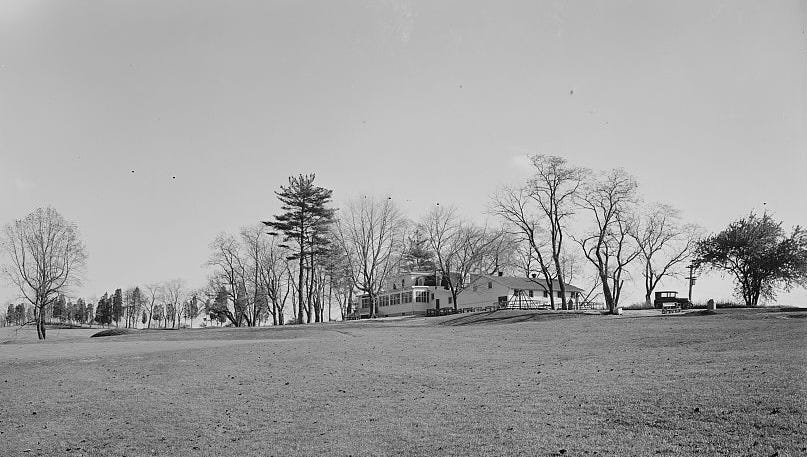
They sent me an article dated 23 Apr 1923, which was about the opening of a new Golf course in Washington DC now called Rock Creek Park Golf Course. Horatio had died in 1840 but there it was! “The house which Col. Sherrill has transformed into a clubhouse was constructed about 100 years ago by Horatio Plant, who at the time was owner of most of the land on which the golf course was built.
You can’t imagine the combination of sadness and elation I felt. It had been less than two months since the passing of my cousin, so I wasn’t able to share this find with her. The research led me down an exciting path.
In that same month of February, I reached out to the Rock Creek Golf Course. Through them I discovered that The National Park Service had just completed a comprehensive Historic Resource Study document on the three golf courses in the city. A staff member sent me the study then referred me to the Cultural Resource Specialist for NPS. She found the photos of my third great grandfather’s farm house.
The farmhouse continued to be in use as the clubhouse until 1963. This particular photo was one of my inspirations in my upcoming book being released in the fall of 2027, Not Ours to Keep.
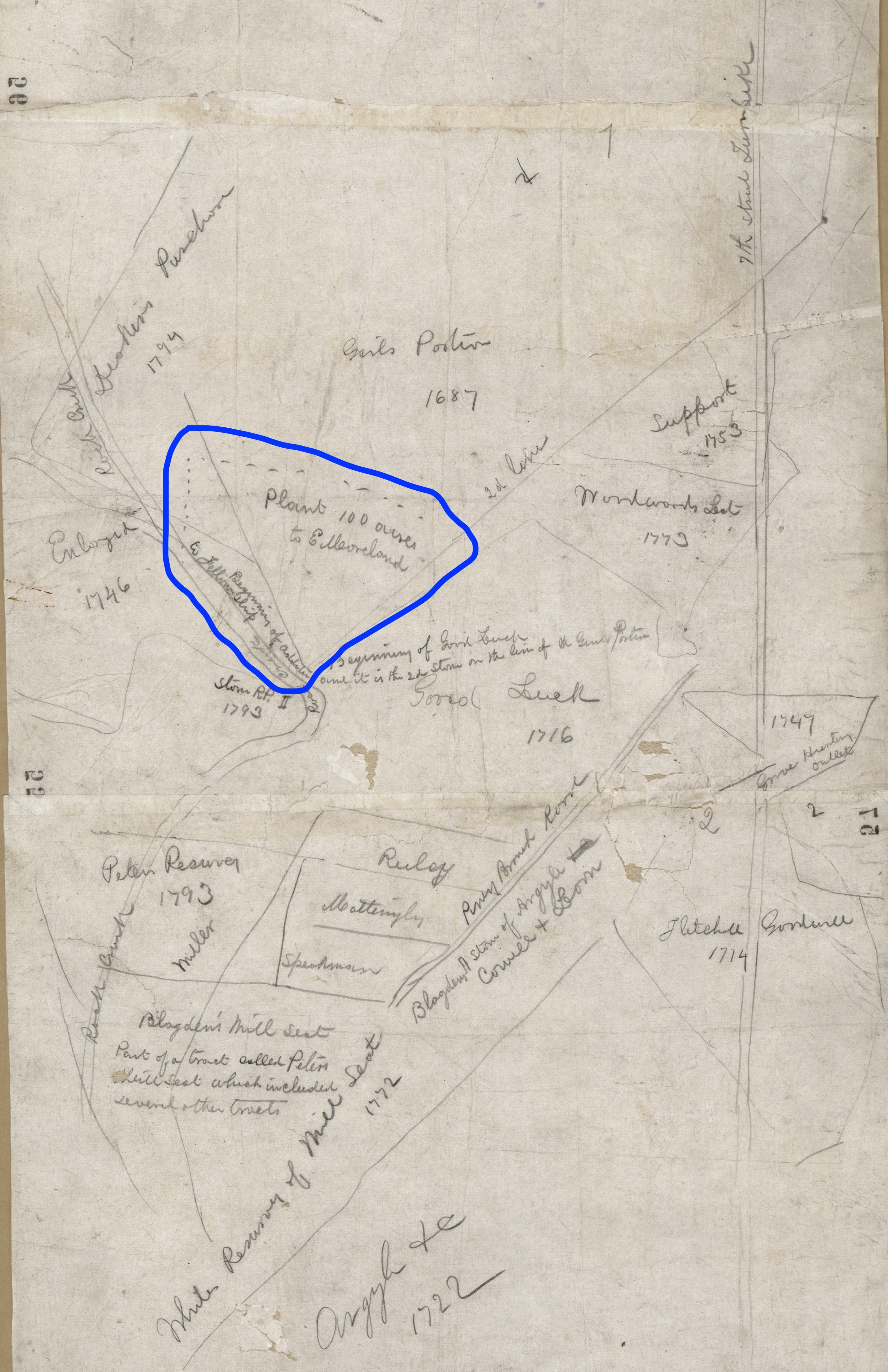
In March, I found a map of Horatio’s original property ownership through the Library of Congress’ Geography and Map Division. The map is dated in the 1870’s when Horatio’s property had already passed to his son-in-law.
African American Revolutionary War Patriot
The second time I used a National Park Service record was in my research of a Revolutionary Patriot of color. A prospective member for the Daughter’s of the American Revolution had found she was descended from several men who fought in the Civil War. That in itself was a special historical find. In my research I turned to the National Park Service for a possible patriot. In particular, the research done by George Quintal is incredible. Researching African American patriots can be quite difficult. George had put together a listing of 120 previously unrecognized patriots of color who fought at two early battles of the Revolutionary War along with their service description. While the patriot we were looking for was listed with his service it was unclear whether or not he had any children. I had to look for another patriot. I am proud to say that through additional research I found a new patriot who had not yet been identified by DAR. He received a pension for his service in Massachusetts.
I would have never thought to check with them! Great advise as always.
Beautiful old farmhouse and amazing discovery! It’s so cool to me how much of DC was still farmland till so recently.