

It happens to nearly every historical fiction writer and genealogist at some point. You’ve exhausted every online database, poured over digitized records until your eyes blur, and you’re still staring at a brick wall. Somewhere out there at a clerk’s office, in a box of donated papers at a historical society, or in the photo of a Find A Grave volunteer is the answer you need. All you have to do is ask.
And yet, the cursor hovers over “Send.” The phone sits in your hand, silent.
Reaching out to repositories, town clerks, historical societies, libraries, and Find A Grave volunteers can feel surprisingly intimidating. What if you’re bothering them? What if you ask the wrong question, or don’t know the right terminology, or you don’t have many details. What if they simply say no?
I understand that hesitation and I’m here to tell I have never contacted someone who wasn’t willing to share the records and their knowledge or tell me who to contact next if they don’t know the answer.
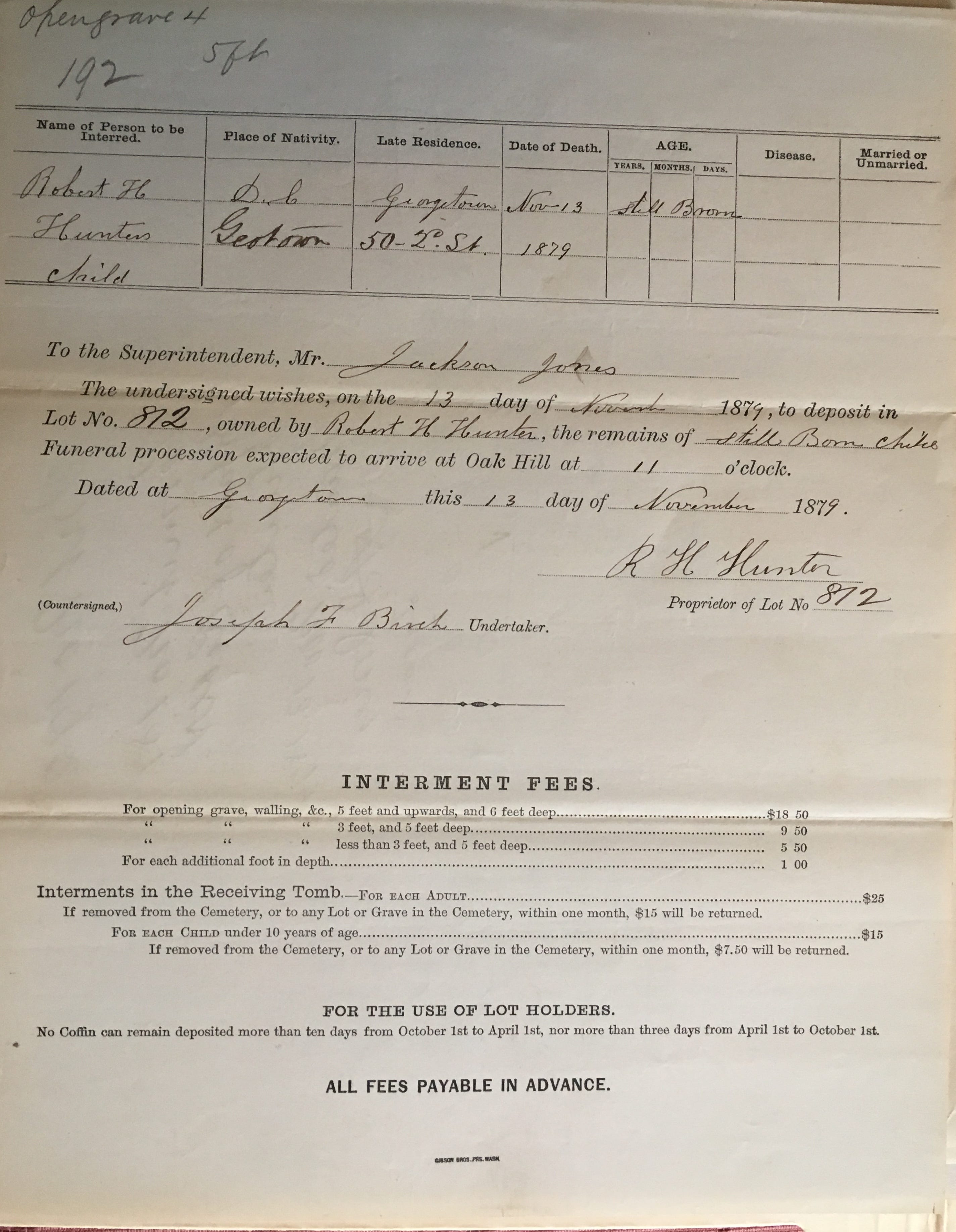
As a genealogist, a volunteer DAR Registrar, and a first-time historical fiction novelist, I live in the world of research every day. I am constantly digging into my own family lines and those of others I am privileged to help, and that digging almost always leads me to a phone call and a follow up email. A real human being on the other end of the line, a stranger I have never met in a town I may have never visited, holds a piece of a puzzle I have been trying to solve for months or years.
And here is what I have learned, without exception, these people love what they do, paid or as a volunteer. History matters to them. Your history matters to them, even if they’ve never heard your surname before.
A few of my experiences include:
Speaking to a gentleman who volunteered at the historical society in a town in Iowa. Not only did he find what I needed and sent it to me, but he introduced me to a woman who was related to the same family and resided there in town. He went above and beyond.
For a particularly difficult DAR application I reached out to a woman who managed multiple Find A Grave memorials in Canada. Her work was detailed so I knew she was a researcher. We emailed back and forth a lot! She sent me documents which helped me to prove the lineage. At one point she asked me if the prospective member was a particular person because she was a DNA match to them. The answer was yes and they were both thrilled to be able to connect with each other.
My mother taught me that there are no stupid questions and I have operated with that in mind all my life. I’m dating myself here, but before Ancestry and online newspapers, when message boards were all we had without traveling, I wrote letters to inquire about records of my ancestors. And even now while there are many records online, the answers are not all found within your keyboard strokes.
Aside from Family Genealogies and records, historical societies often have “vertical files.” These are records given to the society by family members. They may not yet be digitized. And while you might think that all newspapers are online through a newspaper database, that is not the case. Local libraries may have their own database of local newspapers that are not on a subscription paid one like Newspapers.com.
I have reached out to Find a Grave volunteers and cemetery staff who photographed a grave marker. I was looking to find out if they might have a clearer photo of a name or date. Not only did the volunteer offer to take another photo the following week but chose to go that day!
I have contacted other DAR members to check out the vertical files in the county where my ancestors lived for decades. They were kind enough to take a trip there and found many records!
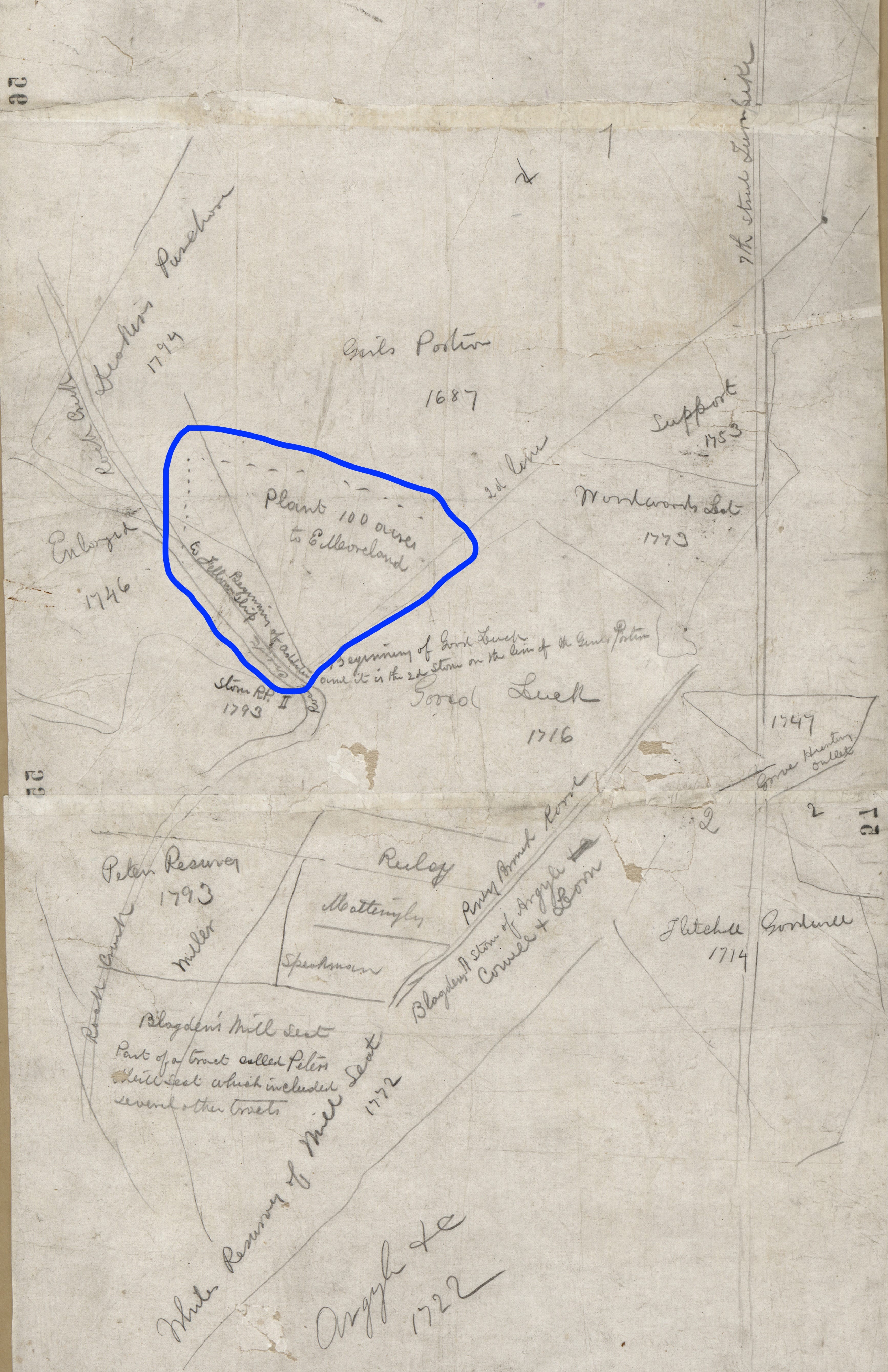
The Library of Congress and their archivists are a treasure trove!! I have found books written in the early 1800’s describing life in Washington DC. Through an archivist at the Library of Congress, I was given the article that confirmed my 3rd great grandfather owned the property which became the Rock Creek Municipal Golf Course. I tried but could not find these on my own.
Through my diligence I discovered that the National Parks Service did a thorough survey of golf courses in the District of Columbia. They surveyed the properties, did historical research and wrote a detailed report of the history of the properties. The Rock Creek Municipal Golf course had been my 3rd great grandfather’s home on over 100 acres. This was the document where I found multiple photos of Horatio Plant’s home built in 1812. The home was used as the clubhouse and not torn down till the early 1960’s. This photo is the backdrop for part of my novel! It has truly been an inspiration of my work.
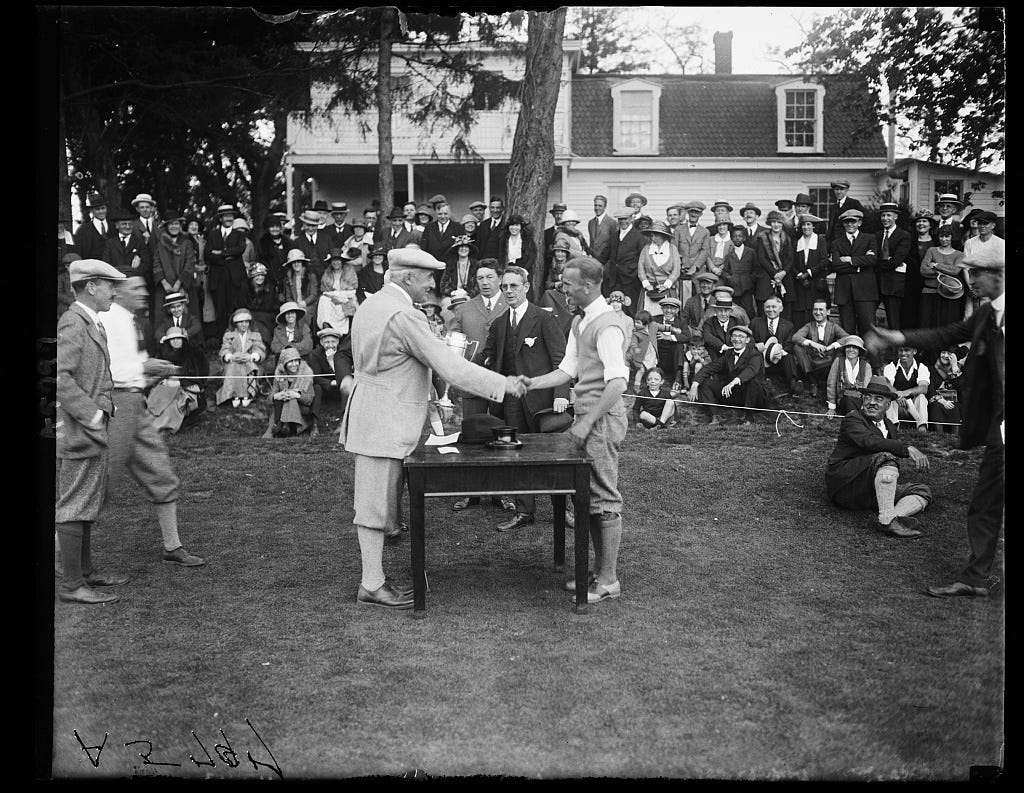
I made that call!
None of that would have happened if I had let fear keep me quiet.
In this three-part series, I want to help you find your voice, and your confidence, as a researcher who makes that phone call or sends an email. In Part Two, we will explore the types of records that can be found in a variety of repositories including books, images, maps, Wills/Probate records, deeds and more in order to build your confidence for that ask, and how to shift your mindset before you ever pick up the phone or write a new email. In Part Three, we’ll get practical: how to write an effective inquiry, what information to include, how to follow up graciously, and how to build lasting relationships with the repositories and volunteers who can become your greatest research allies.
The people who safeguard history are there to help you. They are waiting for your inquiry. They want you to solve the mystery. They remember what it felt like to discover something that had been lost, or to help someone else make a connection. They are fellow travelers in the same long, journey of trying to understand history, and where we all came from.
You have something worth asking about. They have something worth sharing. All that is needed is for you to reach out.
One of my favorite examples of reaching out was when I found a video on YouTube put on by DesMoines Iowa Historical Society about restaurants from “back in the day”.. I had hoped to see something about a restaurant my ancestor had owned but it wasn’t. Nevertheless, the video was very well made and I felt compelled to send a note to the director to let him know. I explained how I came across it and that I enjoyed it even though my ancestors place wasn’t mentioned. Well… he pulled a bunch of info on the one I was looking for and sent over! Truly unexpected and very much appreciated.
I rejoined Facebook under a pseudonym solely for the purpose of conversing with family history society groups. And it really works! You can just throw out a question and someone will reply. Not all of the answers are helpful, but now and again there's that golden nugget! I used to primarily use Genes Reunited and have correspondence from over 20 years ago that I still continue via mail today. Nowadays, on Ancestry, you're lucky to get an answer because so few can afford the subscription. Wikitree users are usually great at corresponding. Thanks for the post, looking forward to the other parts!