

Have you seen the movie “Three Billboards Outside Ebbing Missouri?”
When I watched that movie it hit me hard. These are my people! Not in Missouri but in Roxboro North Carolina, my family on my father’s side. My grandparents, great grandparents and their parents before them. The characters Mildred Hays and Mama Dixon, particularly Mama Dixon, embodied the tough women of my family. They told it like they saw it and never held back. However, they weren’t always ready to share their life stories. A waitress, cotton and saw mill workers, farmers, and yes, a maker of white liquor and a moonshine runner; their lives were filled with the challenge of just trying to survive each day.
In my mid-twenties I became interested in my family history. And I’m very grateful that I had the presence of mind to ask family members questions when they were alive. My grandmother didn’t want her voice on a recorder so I would ask her questions in the evening and then record them myself on a cassette recorder. My great aunt Mattie Oakley didn’t mind my recording our conversations. So, in 1986, sitting on the porch on a warm humid summer outside of the town Roxboro my great aunt Mattie shared with my cousin and me what life was like growing up. At age 82, Mattie was sharp as ever. (You can listen to the recording later in this post.)


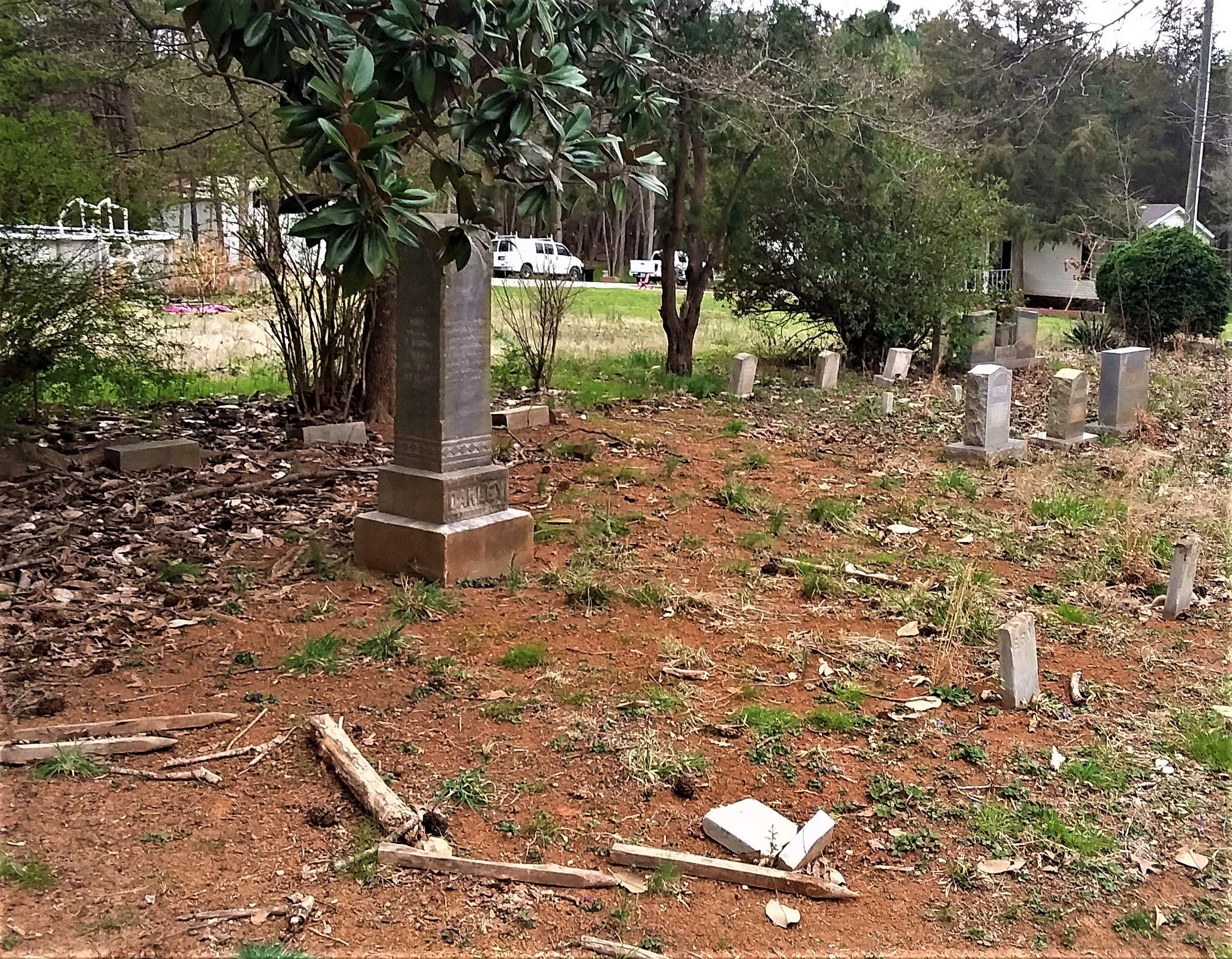
In 1928 in the rural area of Helena, eight miles outside of town, sat a one-acre Oakley family farmhouse, a barn and a graveyard marking the deaths of grandparents, parents, and six sibling babies of Mattie’s. Pulled out of school to care for her mother after 8th grade, and then for her stepmother, Mattie was now left to care for four of five younger siblings. At 24 years old without any work experience and lack of higher education Mattie had few options.
Her life had been changed by necessity when she was young and now once again by the death of her father who had been a railroad man and a blacksmith.
The family home was under dispute by the heirs of her grandfather, and without income coming in, Mattie, now the head of her family had to make decisions for survival. She and two of the younger siblings needed to find work and couldn’t leave the littlest ones who were five and three years old to drive eight miles to town each day. There was no choice but to move to Roxboro leaving the home they knew and the remains of their loved ones behind to start work at the cotton mill.
They moved to ‘Mill Village” in Roxboro and began working for the only industry in town, the Roxboro Cotton Mill. The village had some conveniences all owned by the mill, but it was also an environment that controlled the workers. There was no need for a car since the mill village provided for a company owned store, church and school, everything was in walking distance. Working twelve-hour days, six days a week, the rent for the company owned cottage was cheap with payment coming out of their paychecks. Each mill cottages was just a bit over 900 square feet. There were two bedrooms for the five of them and no indoor plumbing. They relied on well water and a Johnny house. Many of the homes, which were later sold to individuals, are still there today on mill hill.
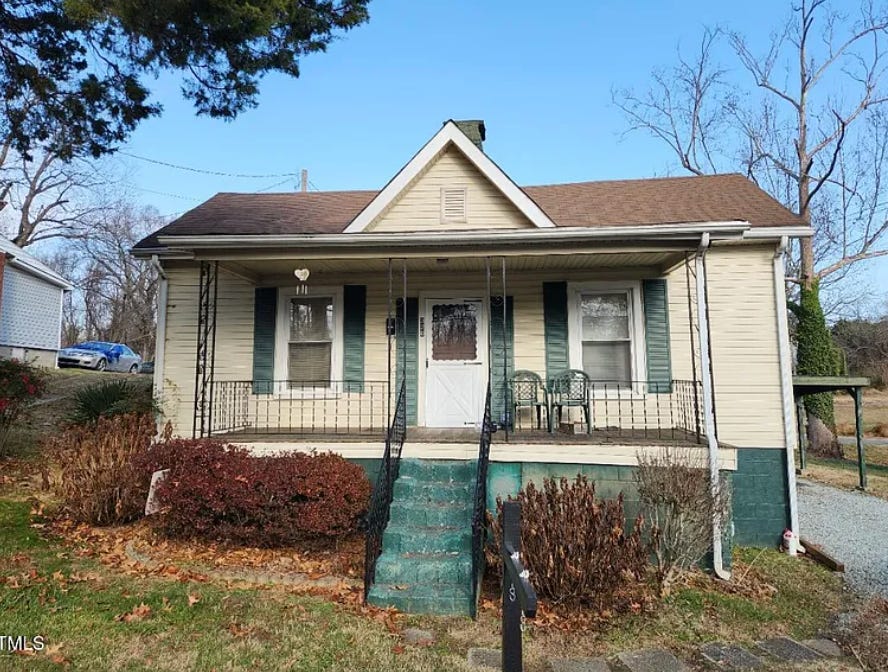
Mattie moved the family to town in October 1928. Though the official stock market crash was still a year away, the first ripples of the Depression were already being felt, farmers struggled, and mill wages had fallen. Mattie’s sister Myrtle, seventeen, finished high school and worked in the mill. My grandfather Jimmy stopped attending school when they moved to town at age fourteen to work full time. Five-year-old Maxie attended school, while three-year-old Sadie stayed home with Mattie during the day, until six o’clock in the evening, when Mattie’s twelve-hour shift began and the older children returned from their shifts to care for the younger ones.
Mattie and her siblings worked long, grueling hours, earning less than the men, just seventy-five cents a day, later raised to a dollar for twelve hours of labor. There was little chance for Mattie to move up; women rarely did. Her sister Myrtle, who worked as a spinner, earned a few cents more, working those same six days a week at a relentless pace. Often, their pay came not in cash but in scrip that could only be spent at the company stores for necessities.
Wages and Hours of Labor in Cotton-Goods Manufacturing, 1910-1930
Working conditions were harsh.
Using hand hooks, men endured the back breaking work of unloading ginned and compressed cotton bales from the railroad side located next to the mill. The bales weighed five hundred pounds each. The interior of the mill where Mattie and her siblings worked was hot and humid. There was an ever present snow-white filled air of cotton dust which stuck to Mattie’s hair and eyelashes in the wet air despite pulling her hair into a bun and covering it with a scarf. Breathing in the cotton lint was a source of respiratory illnesses as well.
My cousin remembers walking to the mill at the end of the day to greet my great grandfather. As the doors swung open, a cloud of cotton and dust flew out when workers ended their shifts. Fresh air was theirs again at last but for just twelve hours.
The thunderous equipment was deafening, and workers often lost their hearing. The dozens of spindle machines holding ten thousand spindles whirred loudly while hundreds of looms weaving the thread into cloth made a high-pitched clacking noise. Lack of safety standards meant there was a constant threat of injury when working the equipment. As a woman or girl pulling your hair back in a bun and keeping your sleeves tucked wearing a coverall smock was important to avoid getting caught in the machinery.
Sounds of one spinning and loom machine:
Many members of my family worked at the Roxboro cotton mill over the years, as the first industry in town it was a steadier source of income than farming ever was.
I come from a long line of hardworking, rural women and men who labored each day just to make a living. I didn’t understand their rough exterior until that day on the porch in 1986.
You can listen to Mattie tell her story in her own words here.
Mattie was as tough as they come but she devoted herself to our family from the time she was fourteen years old. She spent her life caring for others, even later taking in a 6-year-old niece. And though she never married and could be quick-tempered at times, she gave selflessly, hoping her role might give the next generation a better life than her own.
I loved getting to her her talk about how much she was paid.
I had the chance to interview my grandmother in 1985 as we went through old photographs and wrote who the people were on the back. Lots of stories I didn't think to record at the time. But the memory is vivid, sitting with her and my sister on the back porch of her home. Thanks for sharing!