

Research, whether for writing a book or looking for that elusive ancestor doesn’t just happen online. My favorite sources are those that are in libraries, historical societies, town clerk’s offices, county courthouses, and on Find A Grave through memorial managers.
If you can travel to local repositories in person, that’s ideal, you’ll have direct access to original materials, knowledgeable staff, and the opportunity to make unexpected discoveries. However, if distance makes travel difficult, reaching out by phone is the next best approach. Speaking directly with archivists or clerks allows you to explain your research goals, ask about unlisted collections, and clarify record availability. Following up with an email helps document the conversation, provides a written record of your request, and allows staff to send digital copies or guidance when possible. Many local repositories are accustomed to assisting remote researchers, and combining courteous phone contact with clear, specific email communication can yield nearly the same results as being there in person.
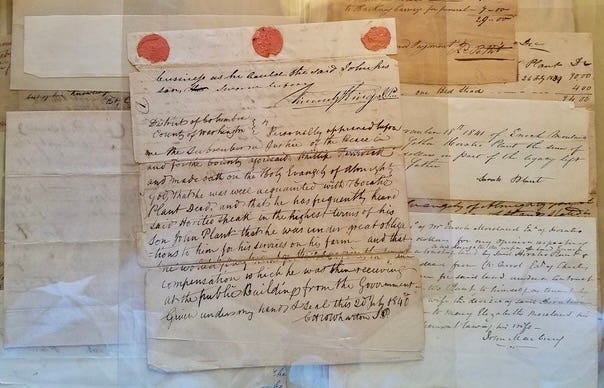
Local historical resources are invaluable in genealogical research because they provide direct access to original records and community context often missing from online databases. Courthouses, archives, and historical societies hold deeds, probate files, church registers, and tax lists that document family relationships and property in detail. Local newspapers, town histories, and maps add depth by revealing occupations, neighbors, and events shaping everyday life. Working with these sources also helps verify or correct errors found in transcriptions. Archivists and local historians often know of unpublished or overlooked materials. If you are able to visit the area itself, you can check out cemeteries, landmarks, and geography, which offers insight into how families lived, migrated, and interacted.
I don’t live near the people and locations I’m researching so most of the time I’m making phone calls to connect with a live person. Connecting with someone who has the same love of history as you do is a heartwarming experience. I find those working in the various locations are such incredibly kind people ready to help you find the record that will connect you to your ancestors and tell you about the area you are researching. You never know where the conversation will take you. On one occasion I contacted a historical society and spoke to a sweet gentleman who was happy to share with me. Not only did he find the information I was looking for but he connected me with a woman who was related to the family I was researching.
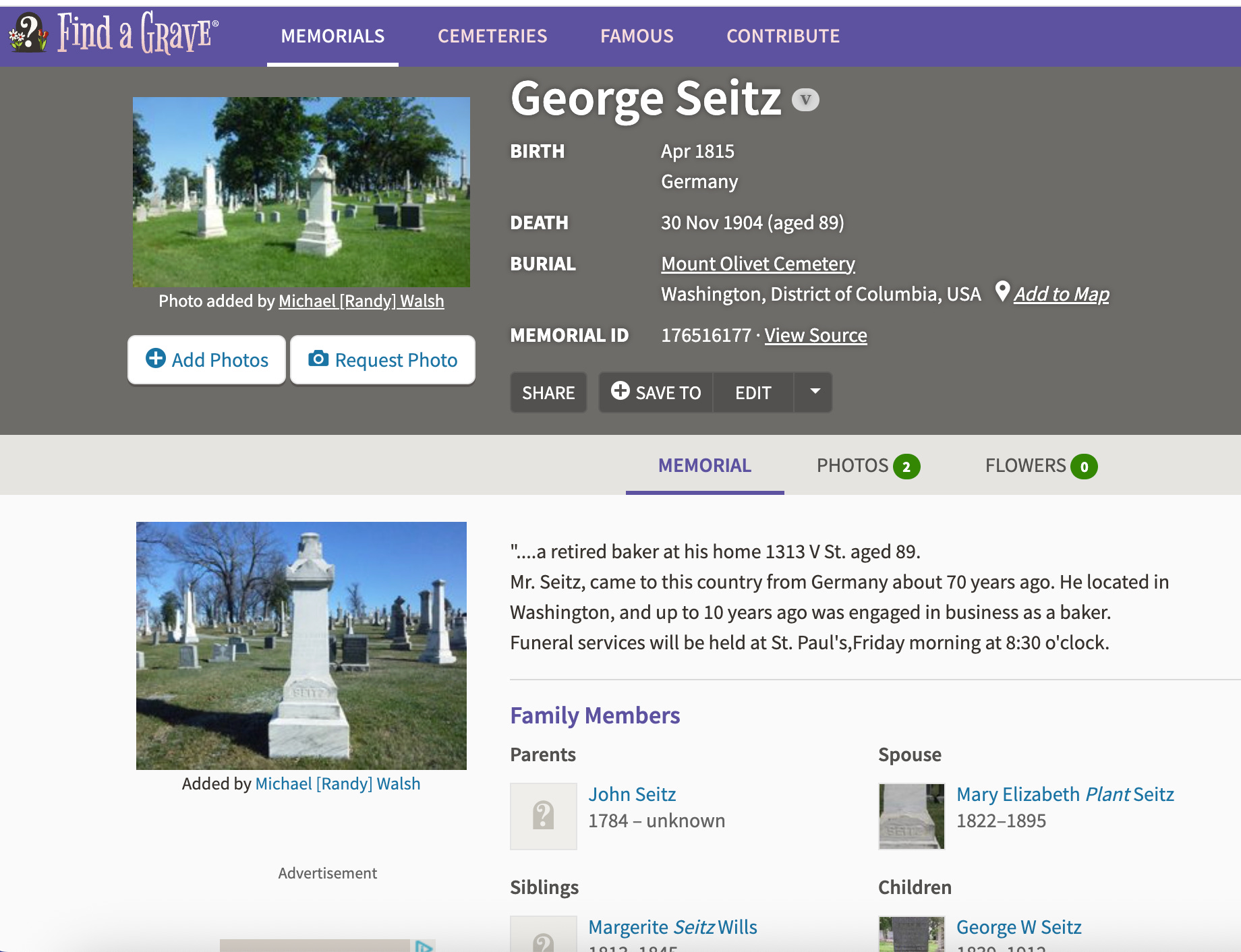
If you haven’t heard of Find A Grave, it’s a wonderful all volunteer resource.
Here you will find grave markers of individuals from all over the world. Oftentimes there are photos of the grave marker and if you are lucky there are resources listed as to where the information came from and even a bio or obituary for the individual. Individual memorials are often connected to the spouse, children or the parents of the individual.
The information isn’t always correct so you need to verify but through email you will also find incredibly kind people who are willing to share. As I was working on a lineage to help a prospective member join the Daughter’s of the American Revolution, I came upon a Find A Grave for a man in Canada wo died in 1881.
I needed to connect the lineage to his daughter, and I was stuck! The information on the memorial was obviously well researched and contained so much detail. I needed to know this woman who did so much work! Maybe she could help me. I emailed Fran and told her what I was looking for. We emailed back and forth with each other, and she found her DNA was a match to prospective DAR member. She was descended from a sibling of the connection I was trying to make. And while she didn’t have or know of a record that I needed we worked together at a distance, and I gave her some records she didn’t have herself. I was so happy to be able to share with her after she shared so much with me. I also connected the prospective member and Fran. Ultimately, I found enough documentation to write an analysis to prove the relationship of the daughter to her parents. I’m now waiting for the results.
By combining these local materials with broader sources, researchers can construct more accurate, personal, and context-rich family histories that connect ancestors not only to dates and names but to the real places and communities where their lives unfolded.
What’s the kindest thing a librarian has ever done for you?
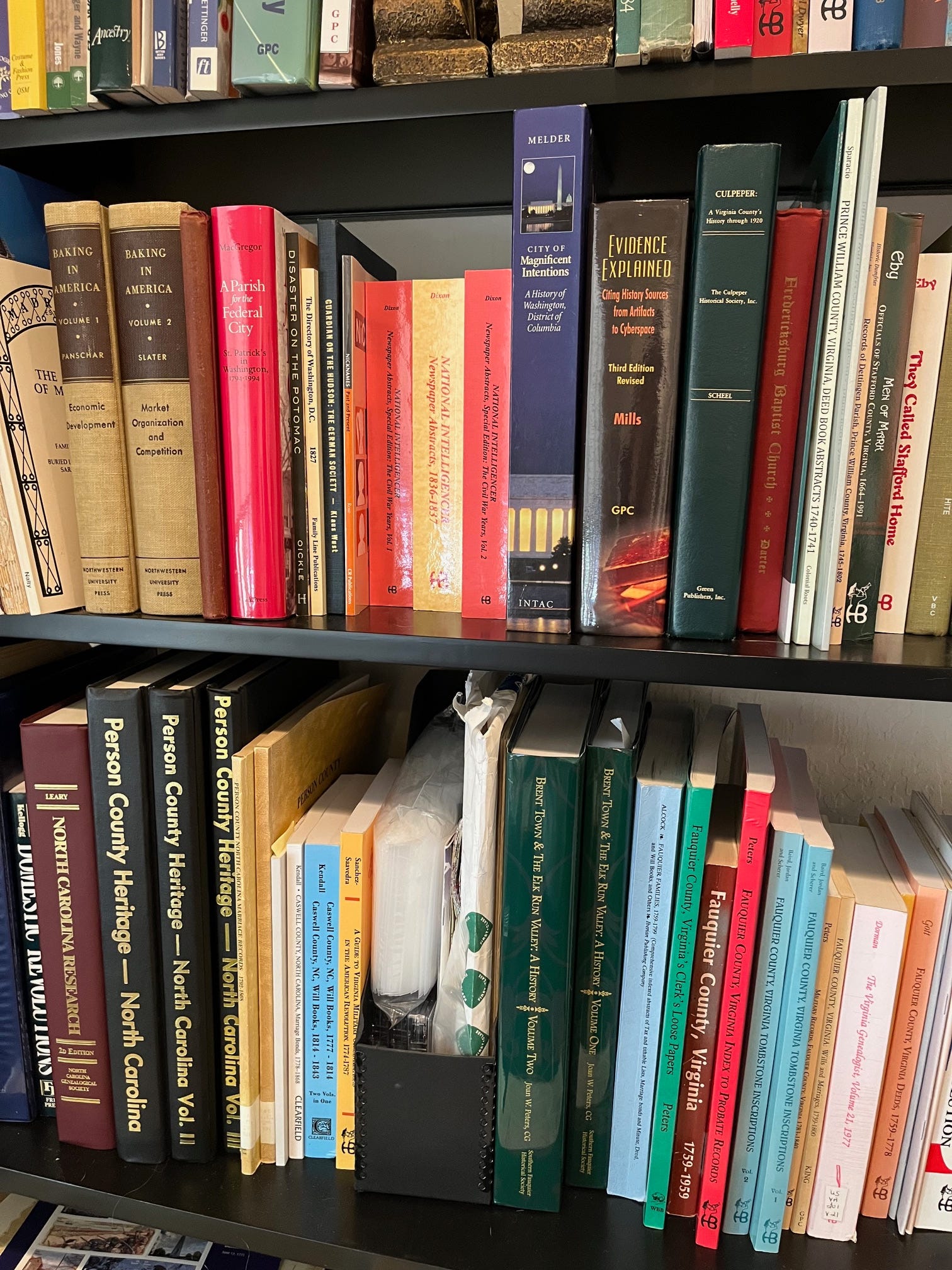
This is such a good reminder to look outside just what we find online. Sometimes, connections with people in the locations we are researching can be so helpful. Thanks for sharing!